- 中文网站请点击 http://www.pinxinggroup.com
-
 +86-21-57566731
-
 cai@pinxingmotor.com
-
 SCARICAMENTO



High Efficiency Motor Guide: IE4, IE3 Classes, Energy Savings, and Selection Tips
Consider a 90 kW motor running 7,000 hours per year. If it operates at around 94.5% efficiency instead of 96%, it draws roughly 1.5 kW more electrical input at full load. Over a year, that difference totals about 10,000 kWh of additional electricity. At an industrial tariff of USD 0.10 per kWh, that is roughly USD 1,000 of avoidable cost every year for the life of the motor. Efficiency differences between motor classes look small on paper. In plants where motors represent half or more of the total electrical load, they are anything but small.
The practical problem for engineers and plant managers is that efficiency labels are easier to compare than application reality. An IE class tells you how a motor performed in a standardized test. It does not tell you what the same motor will deliver at 60% load, through a variable frequency drive, or in a 50°C equipment room. This guide explains the efficiency class system, the mechanical and electrical losses that actually determine efficiency, and the selection checks that matter when the goal is lower energy bills and reliable long-term operation.
What high efficiency motor labels actually tell you
A high efficiency motor converts a larger share of electrical input into mechanical output, with the remainder dissipated as heat. "High efficiency" in the industrial market refers to the efficiency class defined by IEC 60034-30-1, which sets minimum full-load efficiency values for each combination of rated power, pole count, and frequency. The classifications run from IE1 (standard efficiency) to IE4 (super premium efficiency), with IE5 defined for ultra premium efficiency and already appearing in the first commercial product ranges.
| IE class | Efficiency label | Typical loss reduction vs IE1 | Common use today |
|---|---|---|---|
| IE1 | Standard efficiency | Baseline reference | Older installations; lightly loaded duty |
| IE2 | High efficiency | Approximately 20% lower losses | Replacement duty; some regulated markets |
| IE3 | Premium efficiency | Approximately 40% lower losses | Default minimum for most new low-voltage industrial motors |
| IE4 | Super premium efficiency | Approximately 50% to 60% lower losses | Continuous-duty, high-utilization applications |
The jump from IE2 to IE3 is currently the most common efficiency upgrade in industrial projects, while IE4 is selected where operating hours and energy tariffs make the additional loss reduction pay back quickly. The class boundary values in the standard define the label; the loss reduction percentages in the table reflect typical designs and should be read as guidance rather than contractual values.
Where the efficiency actually comes from
Efficiency classes describe the outcome, but the causes of efficiency are the losses that a motor design must remove:
- Resistive losses from current flowing through the stator winding and rotor circuit, which scale with the square of the current and are the largest single loss component in most motors.
- Magnetic losses from hysteresis and eddy currents in the stator and rotor core, which depend on the lamination material, thickness, and flux density.
- Mechanical losses from bearing friction and cooling fan windage, which grow with speed but can be reduced by careful cooling design.
- Stray load losses from leakage flux under load, which are the hardest to measure and are often addressed by slot geometry and manufacturing precision.
Manufacturers reduce these losses with well-understood engineering choices: low-loss silicon steel laminations, optimized slot shapes, additional copper in the windings, precision bearings, and cooling fans designed to use the minimum power needed for the required airflow. These choices add cost to the motor, which is why a certified IE4 motor costs more than an IE2 motor of the same frame size — and why the payback calculation must be part of the purchase decision.
The benefit of removing losses goes beyond the electricity bill. Because almost all losses are dissipated as heat, a high efficiency motor runs cooler under the same load. A widely used rule in motor engineering is that insulation life decreases by roughly half for every 10°C rise in winding temperature . The motor that wastes less energy therefore tends to last longer, with less thermal stress on the windings and bearings — an advantage that rarely appears in the initial price comparison.
When purchase price, maintenance, and energy are all counted, the energy consumed over the motor's life typically dominates the total cost of ownership. A detailed total cost of ownership analysis of IE4 motors illustrates why the energy calculation should be completed before the budget is approved.
What to verify before you specify a high efficiency motor
The IE class on a nameplate is the result of a standardized test, not a guarantee of savings in every application. Frame size is another practical constraint: the additional copper and lamination steel inside a high efficiency motor often make it physically larger than a standard-efficiency motor of the same rating, so base dimensions and shaft position must be checked before a retrofit. The following checks determine whether certified efficiency actually appears in the field.
Match the duty cycle, not just the nameplate efficiency
IEC efficiency values are defined at full load, nominal voltage, and rated frequency. Most motors do not run at full load all the time. At half load, the absolute loss difference between IE3 and IE4 shrinks, and the payback period lengthens. For continuous processes with the motor operating near rated output for thousands of hours per year, the higher class is usually easy to justify. For intermittent or lightly loaded equipment, the savings may not cover the price premium. The specification should start from a load profile, not from a desire to maximize the class number.
Verify behavior under variable-speed operation
A large share of modern energy-saving projects uses a variable frequency drive to match motor speed to process demand. The IE classification is measured under sinusoidal mains supply; with a drive, the motor sees harmonic currents, reduced cooling at low speed, and higher voltage stress at the terminals. Motors built for this service, such as the YPT series variable frequency motors , use reinforced insulation and a cooling arrangement that maintains torque capability across the working speed range. When the specification includes a drive, the motor and drive should be evaluated as one system.
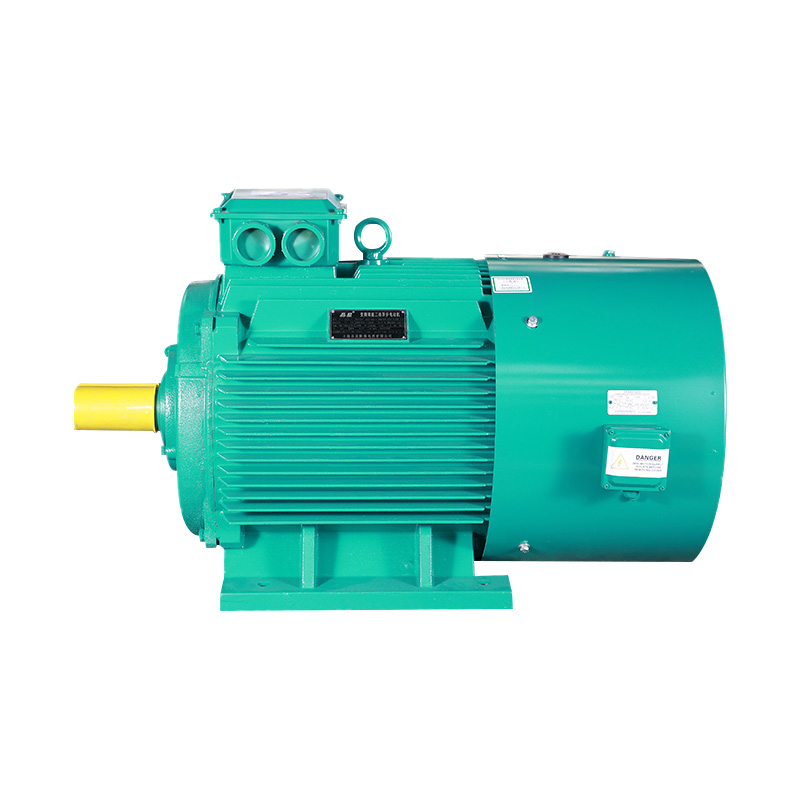 Wholesale YPT Series Three Phase Induction Motor(H80-355MM) Manufacturers, Facto Shanghai Pinxing Explosion-proof Motor Co., Ltd is China Wholesale YPT Series Three Phase Induction Motor(H80-355MM) Manufacturers and YP... View Product →
 Understand the application environment
Certified efficiency values assume reference ambient conditions, typically 40°C, with standard mounting. In a hot plant, the motor runs closer to its thermal limit and may require derating. Dusty or corrosive environments demand a higher degree of protection, which changes the cooling path and can increase frame size for the same efficiency class. In hazardous areas, the protection concept — flameproof Ex d, increased safety Ex e, or pressurization — alters the enclosure and heat dissipation, and the same efficiency level may not be available in every frame size. These conditions belong in the technical quotation, not discovered at commissioning.
High efficiency motors across power ranges
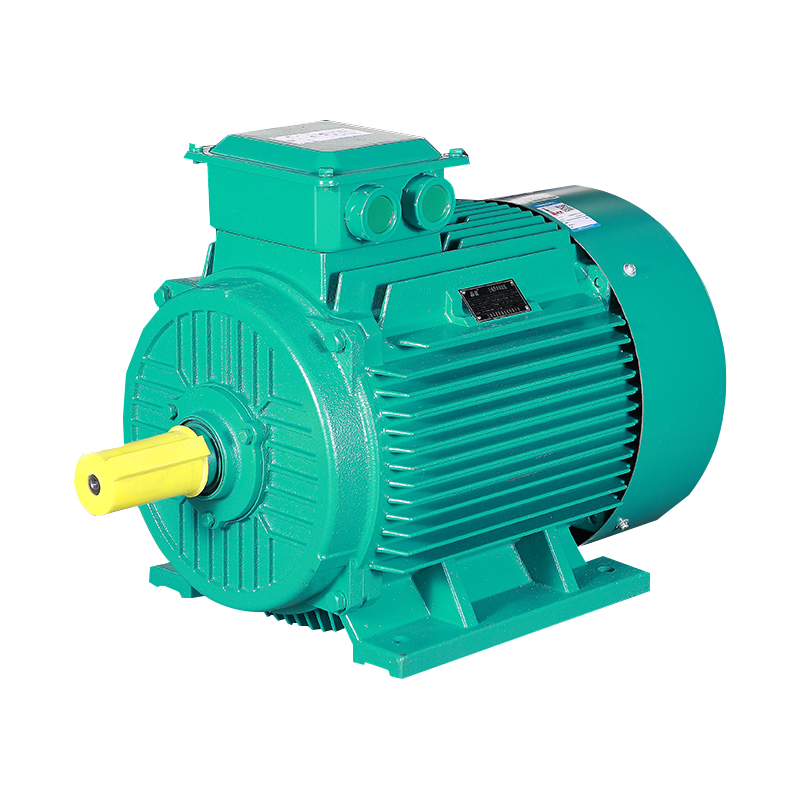
The most direct route to plant-wide savings is to standardize on IE3 or IE4 motors in the low-voltage range. The efficiency difference between IE3 and IE4 is only a few tenths of a percentage point, but with thousands of operating hours per year it still produces thousands of kilowatt hours of savings per motor. Most standard industrial duties are covered by two complementary product families: YE3 series IE3 premium efficiency motors as the workhorse baseline, and YE4 series IE4 super premium efficiency motors where operating hours or energy tariffs justify the higher investment.
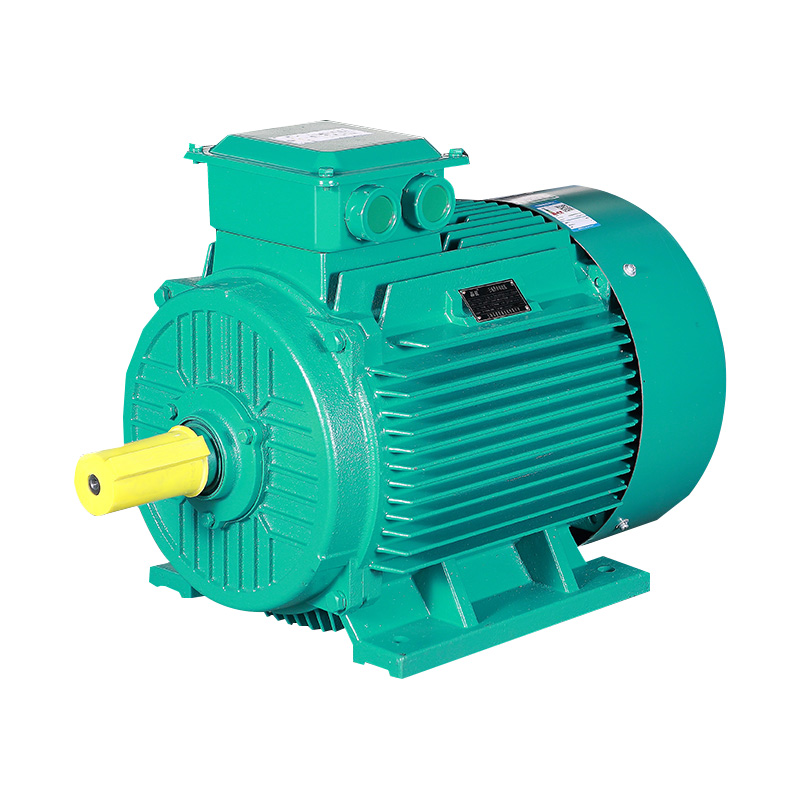 Wholesale IE4 Series Three Phase High efficiency Induction Motor(H80-355MM) Manu Shanghai Pinxing Explosion-proof Motor Co., Ltd is China Wholesale IE4 Series Three Phase High efficiency Induction Motor(H80-355MM) Manu... View Product →
 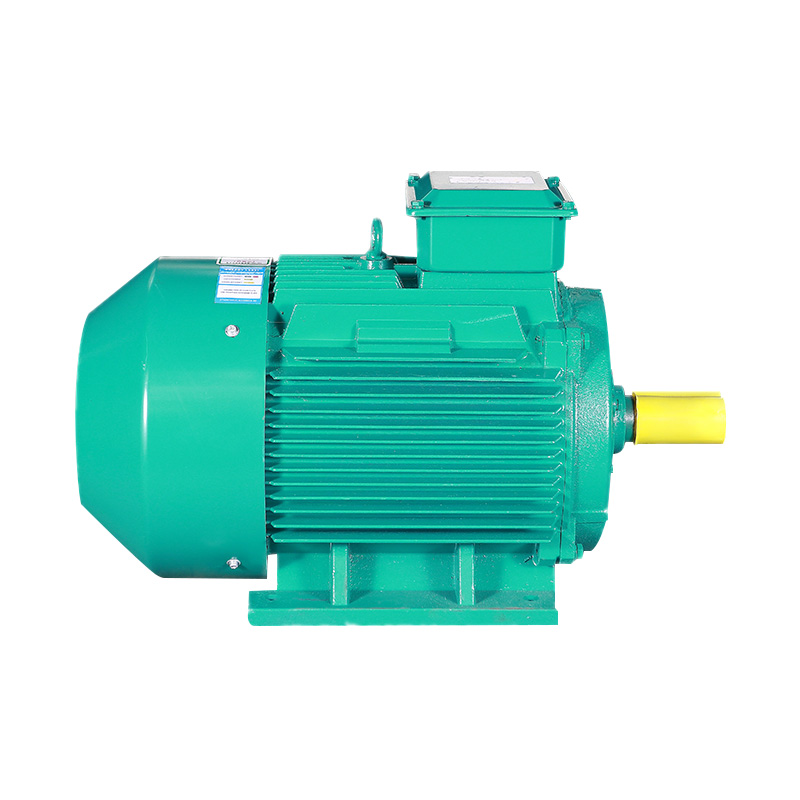 Wholesale IE3 Series Three Phase Induction Motor(H80-355MM) Manufacturers, Facto Shanghai Pinxing Explosion-proof Motor Co., Ltd is China Wholesale IE3 Series Three Phase Induction Motor(H80-355MM) Manufacturers and IE... View Product →
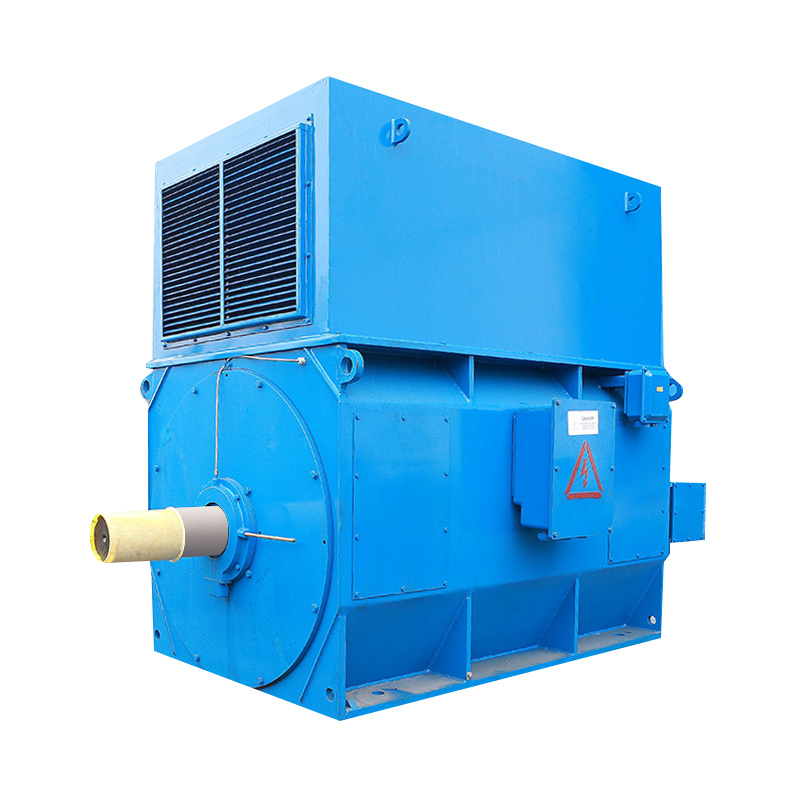
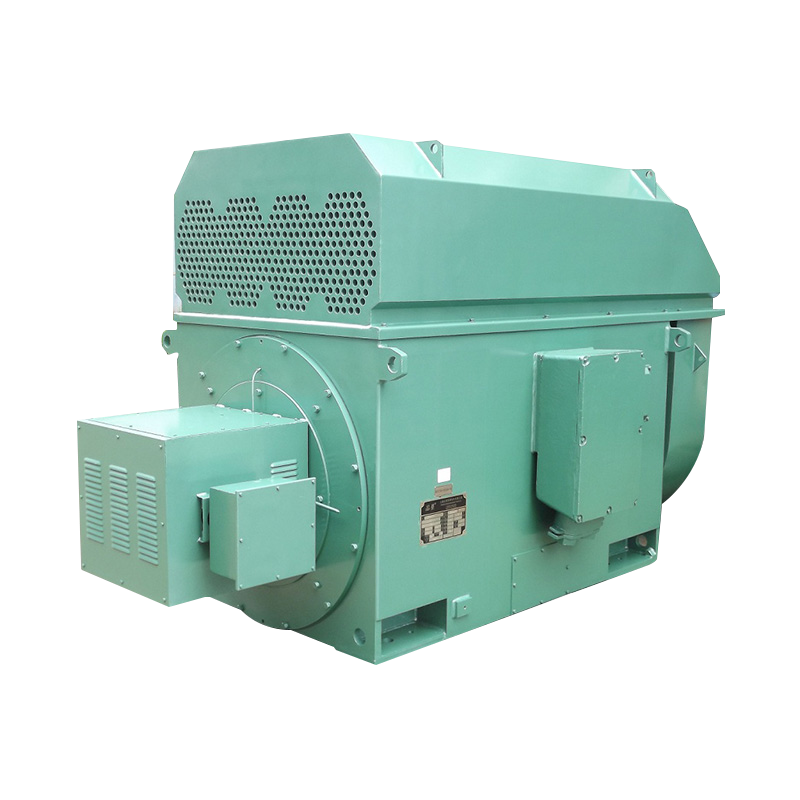
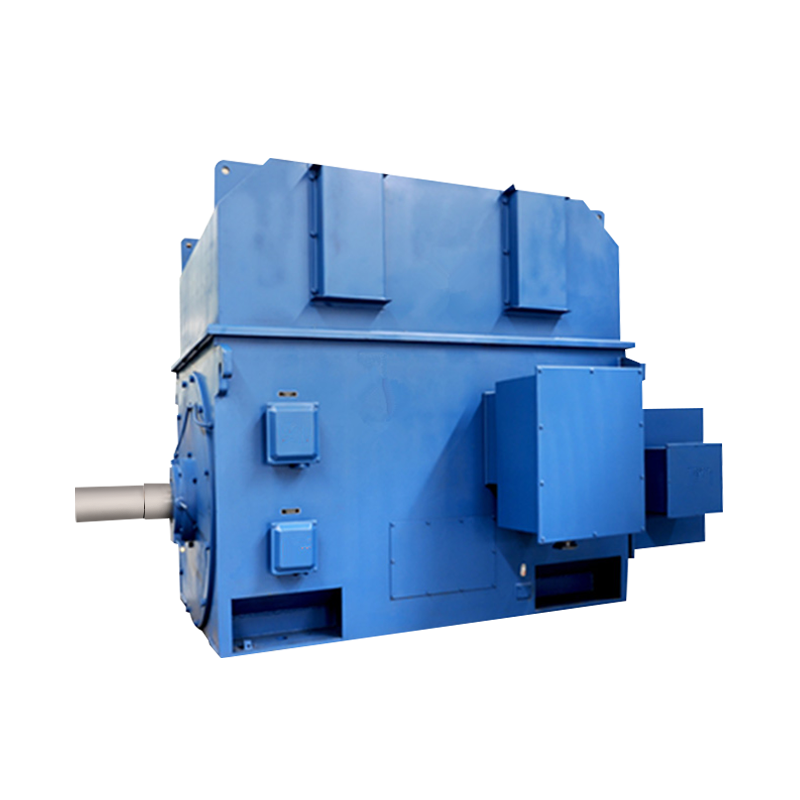
 High-voltage motors above roughly 250 kW form a separate category in both design and efficiency verification. A large machine dissipates much larger absolute losses, so even half a percentage point of efficiency represents a very large annual energy quantity for the owner. Verification typically relies on loss segregation or summation-of-losses testing rather than simple input-output measurement, and the achievable efficiency depends on the core material, winding design, and insulation system. The selection criteria go well beyond comparing IE labels, and a guide to high voltage motor efficiency, IE4 standards, and selection is a practical reference before specifying large machines.
Hazardous-area plants add another layer. In coal, chemical, and oil and gas facilities, the motor must first satisfy the zone and temperature class, and efficiency has to be achieved within that protection envelope. Increased-safety designs often reach higher efficiency in a given frame than flameproof enclosures, but the choice follows the site's gas classification, not energy cost alone. The long-term movement of the industry — including the evolution of high-voltage induction motors from high efficiency to sustainable development — reflects the same pressures: more efficiency per kilogram of material, with no loss of reliability.
The bottom line for industrial buyers
Treat a high efficiency motor as a system decision, not a component swap. The four questions that matter most are: the certified efficiency class under IEC 60034-30-1, the match between the motor rating and the actual duty cycle, compatibility with the supply and speed-control system, and the total cost of ownership including energy, maintenance, and expected service life. Selecting the highest IE class available is not always the right answer; selecting the cheapest motor is almost always wrong once energy is included in the calculation.
Plants that get the best results typically standardize on a small number of motor families from a single manufacturer — IE3 and IE4 low-voltage machines, high-voltage motors where the process demands them, and variable-frequency or hazardous-area variants where needed. That approach yields consistent efficiency documentation, simplified spare-parts management, and one accountable partner for application engineering. Before finalizing a specification, answer four short questions: how many hours per year will the motor run at load, what payback period is acceptable, will a VFD be installed now or later, and are the ambient and enclosure conditions reflected in the efficiency calculation? The answers will get you closer to the right high efficiency motor than any single label.

Mettiti in contatto
Prodotti correlati
 Shanghai Pinxing
Motor Co. a prova di esplosione, Ltd.
-
 cai@pinxingmotor.com
-
 +86-21-57566731
-
 +86-21-57566967
-
 No.699, Pinxing Rd., Zona industriale di Qinggang, distretto fengxiano, Shanghai, Cina. (East Gate)
-
N. 168, Qingling Rd, Zona industriale di Qinggang, città di Qingcun, distretto fengxiano, shanghai, Cina (gate sud)
Copyright@ 2024 Shanghai Pinxing Explosion-Afto Motor Co., Ltd. Tutti i diritti riservati.
Privacy